
7 Things to Consider Before Replacing Your Kitchen Countertops
The dream of a sleek, modern cooking space is a common one for many property owners. However, the reality of achieving that level of culinary perfection often involves a grueling schedule of material selection, specialized knowledge, and constant vigilance against installation errors and moisture damage. Updating a kitchen is far more complex than simply picking a color once a decade during a home refresh. It requires a deep understanding of stone porosity, seam placement, and the precise timing of sealant applications. For those who find their renovation plans swallowed by the demands of interior design, the assistance of high-quality kitchen countertops becomes a transformative solution.
Selecting the right surface involves balancing aesthetic desires with the practicalities of daily life. Beyond the visual appeal, the structural integrity of your cabinetry and the layout of your plumbing must be evaluated to ensure a seamless transition. By taking a methodical approach to this upgrade, you can avoid common pitfalls and ensure that your investment adds both beauty and tangible value to your residence.
1. Evaluate Material Durability and Maintenance
The first step in your journey involves an honest assessment of how you use your space. Different stones and composites offer varying levels of resistance to scratches, heat, and acidic liquids. For instance, while marble offers a timeless elegance, it is a softer stone that may require more frequent sealing to prevent etching from lemon juice or wine. Conversely, quartz provides a non-porous surface that stands up to heavy use without the need for periodic chemical treatments. Choosing the right kitchen countertops means matching the physical properties of the slab to your personal lifestyle.
Maintenance requirements should never be an afterthought. Some homeowners enjoy the ritual of caring for natural stone, while others prefer a surface that only requires a quick wipe with a damp cloth. You should ask about the long-term care instructions for every material you consider. Understanding whether a surface needs specialized cleaners or if it can handle a hot pan directly on its surface will prevent accidental damage and keep the heart of your home looking pristine for decades.
2. Determine Budgetary Constraints and Value
Financial planning is a vital part of any home improvement project. The cost of materials can vary significantly based on rarity, thickness, and the complexity of the edges you select. It is important to look beyond the initial price tag and consider the long-term financial benefits of the upgrade. According to HomeAdvisor, replacing kitchen countertops is a fast and cost-effective upgrade that can yield up to a 98.5% return on investment, especially compared to major updates like new appliances or cabinetry. This high percentage makes it one of the smartest moves for those looking to increase their equity.
When calculating your total expenditure, remember to include:
- The cost of removing and disposing of the old surfaces
- Potential plumbing charges for disconnecting and reconnecting the sink
- Fees for custom edge profiles or intricate backsplash transitions
- Costs associated with reinforcing lower cabinets if switching to a heavier stone
3. Analyze Color Schemes and Visual Harmony
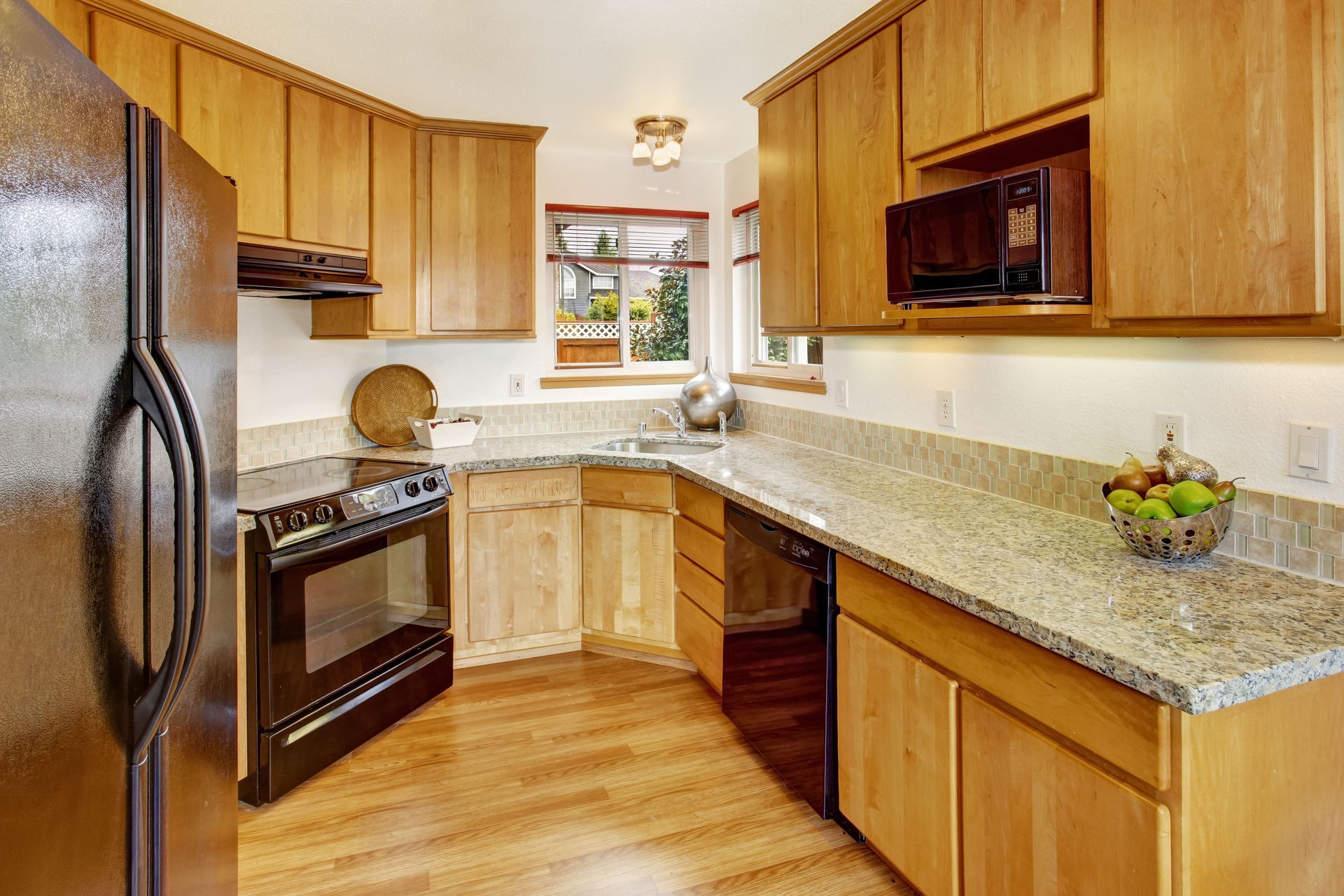
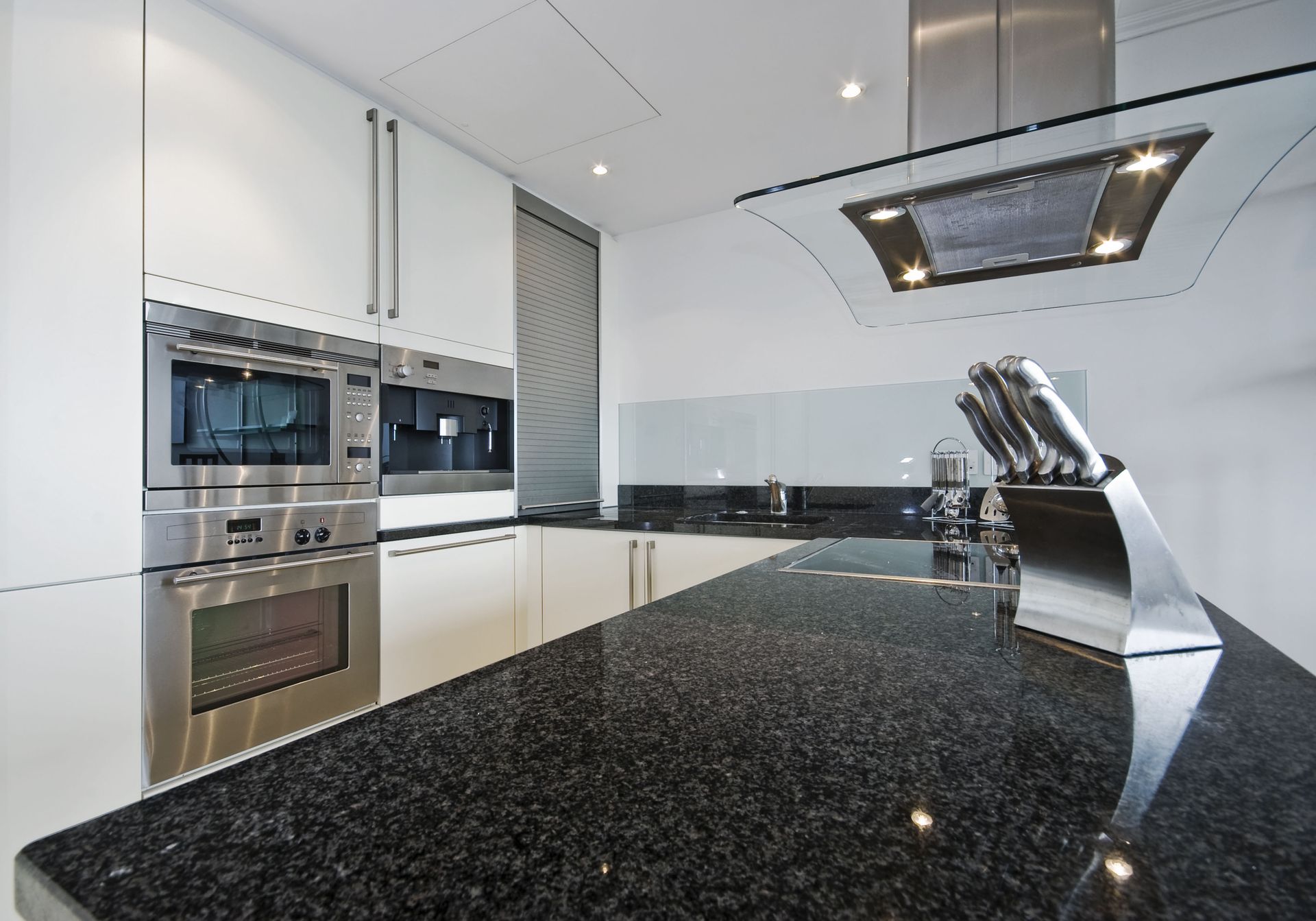
The visual impact of your new surfaces will dictate the mood of the entire room. Because kitchen countertops occupy a large horizontal plane, they catch a significant amount of natural and artificial light. A dark granite might provide a dramatic contrast against white cabinetry, while a light-colored quartzite can make a small, dim kitchen feel much more spacious and airy. It is often helpful to bring samples of your flooring and cabinet finishes to the showroom to see how the various textures and tones interact under different lighting conditions.
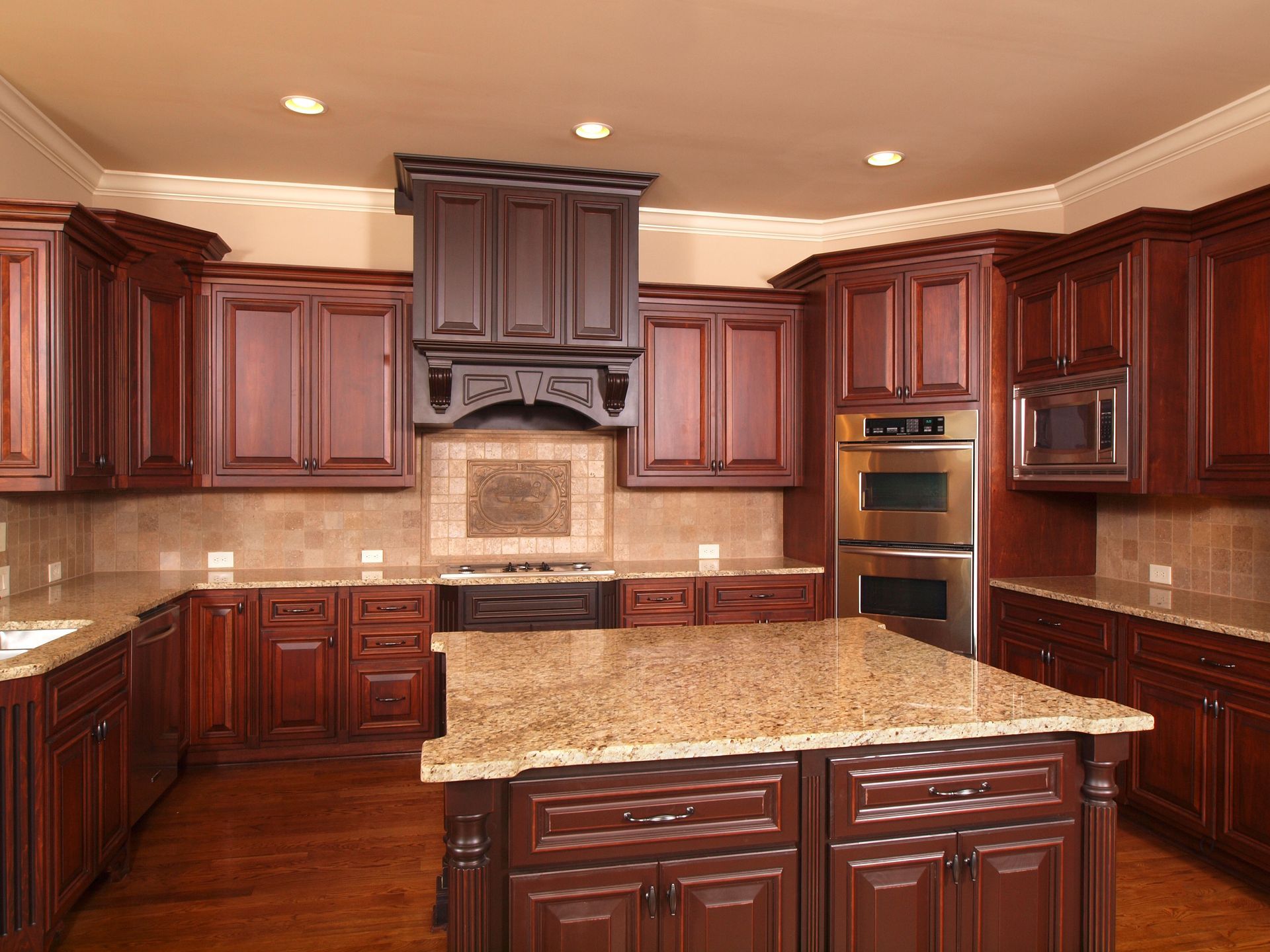
Consider the movement and veining within the stone as well. Some slabs feature bold, sweeping patterns that act as a focal point, while others offer a consistent, speckled appearance that provides a neutral backdrop for other design elements. If your kitchen has a large island, you might even consider using a different material there to create a "furniture-look" centerpiece.
4. Assess Structural Support and Cabinet Integrity
Before the new slabs arrive, you must ensure that your existing furniture can handle the weight. Natural stone is incredibly heavy, and older cabinets may require additional bracing to prevent sagging or cracking over time. A professional installer will check the level of your base units, as an uneven foundation can lead to stress points in the stone, eventually causing the seams to pull apart or the slab to crack.
Key structural considerations include:
- Verifying that the floor joists can support the added mass of several stone slabs
- Checking the squareness of the walls to anticipate large gaps
- Inspect the sink base for moisture damage or wood rot
- Ensuring there is enough clearance for drawers and dishwasher doors
When you invest in high-quality kitchen countertops, the preparation of the support system is just as important as the beauty of the stone itself. Taking the time to reinforce the substructure ensures that the installation remains stable and level for the life of the home.
5. Review Seam Placement and Fabrication Details
Unless you have a very small kitchen, your project will likely require at least one seam where two pieces of stone meet. The placement of these joints is both a functional and aesthetic decision. Skilled fabricators aim to place seams in inconspicuous areas, such as near corners or centered on a sink, where the visible line is minimized.
Detailed fabrication also includes the selection of the edge profile. From a simple eased edge to a complex ogee or bullnose, the shape of the rim affects both the style and the safety of the room. Rounded edges are often preferred in households with small children to prevent injuries from sharp corners. These small details are what separate a standard renovation from a truly custom installation of kitchen countertops.
6. Inspect Sink and Appliance Integration
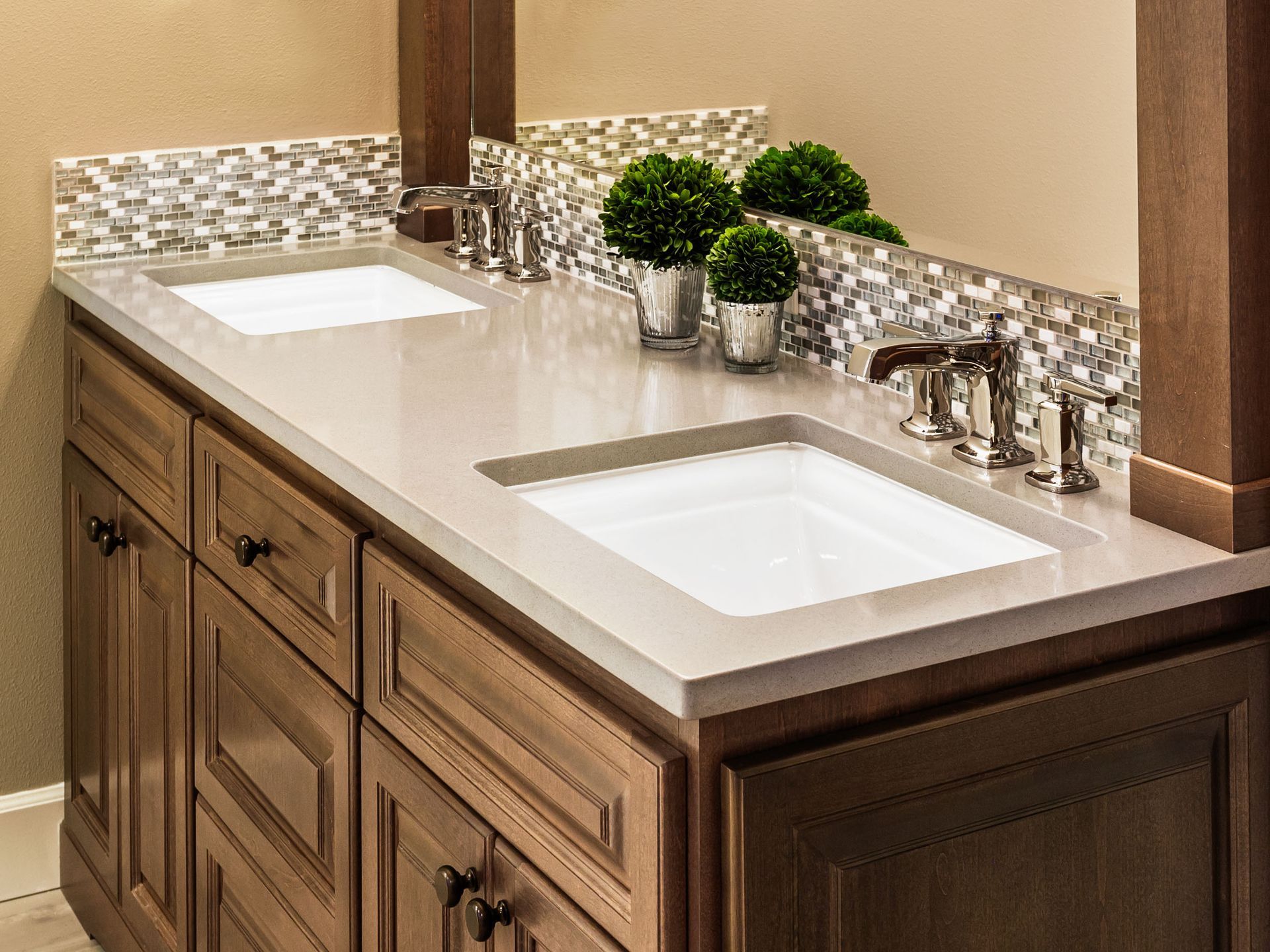
The way your sink and stove fit into the new surface is a critical component of the final look. Undermount sinks are a popular choice because they allow you to wipe crumbs directly into the basin without hitting a metal rim. However, this requires a precise cutout and polished edges around the sink opening. If you are planning on a farmhouse sink or a new cooktop, the measurements must be exact to avoid costly on-site adjustments that can create a mess or damage the stone.
Integrating modern technology into your kitchen countertops is also an option. Some homeowners choose to have wireless charging stations or pop-up electrical outlets installed directly into the stone for a cleaner aesthetic. Discussing these needs during the templating phase ensures that all holes are pre-drilled in the factory under controlled conditions, which is much safer and cleaner than attempting to modify the stone after it has been installed in your home.
7. Select Professional Installation and Warranty
The final piece of the puzzle is choosing the right team to handle the heavy lifting. While many home projects can be tackled by a dedicated amateur, the precision and equipment required for stone work make it a task for experts. Professional installers have the suction cups, leveling shims, and high-grade epoxies needed to ensure the slabs are perfectly positioned. Furthermore, a reputable company will offer a warranty on both the material and the labor, giving you recourse if a seam opens or a defect appears.
When you are ready to elevate your home with stunning kitchen countertops, the right partnership makes all the difference in the world. To find the perfect piece of nature for your next project and ensure a flawless finish, reach out to Planet Stone Marble & Granite.

Share On: